

How restaurants use digital signage to bring customers a better experience and digital content
Author:vic
Click:
Time:2021-03-28 09:18:22
From:www.victeklcd.com
How restaurants use digital signage to bring customers a better experience and digital content

n In 1955, restaurant consumption accounted for approximately 25% of total US food consumption. By 2019, this proportion has risen to 51%.
What's the reason? There are many different explanations for this, partly because of convenience and partly because of the fun of eating out. In addition, the take-out services provided by companies such as foodora, Uber, DoorDash, etc. make dining more convenient, and also allow current customers to enjoy a greater range of choices in terms of prices and food categories.
In order to cater to diversified preferences, the "catering industry" must present a richer diversity and adopt a variety of unique ways to meet customer needs. In the restaurant, it is also necessary to communicate effectively with customers to create a satisfactory atmosphere for them. It is this kind of demand that connects all the forces related to the restaurant business.
Let's see how digital signage can do its best.
Use dynamic digital menus (in a smarter way) to increase sales
We have seen that traditional static menus are rapidly being replaced by digital menus, and this phenomenon is at least common in fast food and casual fast food fields. The appearance of the digital menu is brighter than the traditional menu, the colors are more vivid, and it can display dynamic images, so it has a significant effect in enhancing customer attractiveness. A study by an outdoor media company found that dynamic content on signs triggers emotional responses 2.5 times as much as static content, which also confirms the great role of digital signage in enhancing attractiveness.

And these are just basic improvements. With the support of smart software, dynamic effects and automatic display effects can be added to the menu to further increase sales and bring a smoother dining experience.
Sell upgraded products and packages with more attractive advertising
Selling meals to existing customers is easier than selling to new customers, so restaurants should make effective secondary sales as a key goal. Digital meal boards can easily create animated videos to show customers different packages or secondary sales options, and the value of these options.
Highlight products that can only be enjoyed on the day, for extra temptation
The special products sold for a limited time are very attractive (#Would you like a Sichuan hot sauce?). Highlighting these special meals on a bright and beautiful display is an excellent way to attract people's attention.
Automatically stop pushing sold out products
The fact that the food is sold out on the ordinary menu is enough to make people feel bad, and when the highly sought-after limited-time sale product is sold out but still displayed on the menu, you may face a public relations crisis (#Requirement Sichuan hot sauce?).
Modern digital menu solutions can integrate digital menu systems and retail terminal software to track the status of goods on sale in real time and remove sold-out meals from the menu. In this way, customer expectations can be effectively controlled, and customer disappointment can be prevented from accumulating and even evolving into news events.
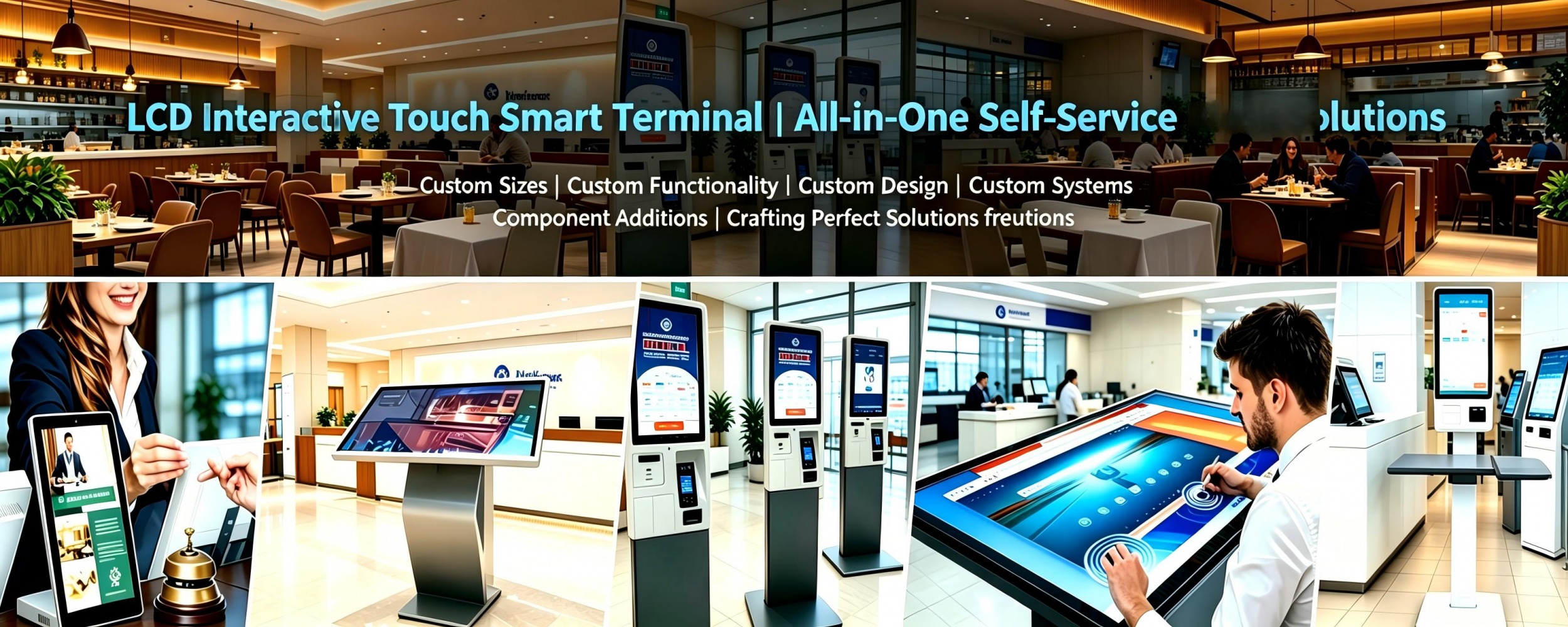
Guide customers with touch screen
Digital screens are not just a passive medium for presenting menus and other content, at least not necessarily. In the past few years, a variety of different forms of interactive display screens have made considerable progress in the catering industry.
McDonald's touch screen vending machine is a prominent example. In many areas where the vending machine is installed, sales have increased by 3-9%. There are other examples. For example, many sushi restaurants use electronic screens installed in the halls or on tables for ordering. At the same time, various restaurants can use information screens as a channel to provide more information and encourage self-service operations, so that customers can view more detailed ingredient lists or allergen information.

What's important is that when the touch screen is not in use, it can also display information or promotional content that needs to be delivered to nearby audiences like a normal screen.
Provide customers with informative or attractive content
In addition to displaying menus and advertisements, digital displays can also be used for other purposes. Many restaurant audiences like to receive environment-related content information while enjoying coffee, lunch or work meals.
In fast food restaurants, coffee shops and other leisure places, content such as news hotspots, weather and entertainment information may attract customers' attention and bring entertainment and relaxation during their stay. The screen in the sports bar can be used to show the scores and anecdotes of the team's game that day. Digital signage is also useful in more upscale environments, such as displaying contemporary artworks, creating a unique atmosphere, and triggering communication among customers.
It is worth noting that these content and bearer screens can be run through the same digital signage platform like any other menus, advertising screens or interactive screens on your network.
Use screens to display user reviews and carry out social activities
Today's diners have a high degree of autonomy, and many people spend a lot of time researching even before entering the restaurant. According to the "Factors Affecting Dining Decisions" report given by Trip Advisor, about 94% of American diners said that they will be affected by user reviews on rating websites such as Trip Advisor, Yelp, and Google Maps when they go to restaurants. Others choose to spend in more popular restaurants.
To get a high score, you need hard work, excellent products, excellent service and a little luck. If you get a high score that you are proud of in the above items, why not show it so that everyone who enters the restaurant can see it? After all, this achievement can further prove that your restaurant is worth visiting again.
In addition, these evaluations can also attract customers who come to dine to spend a little time writing their own evaluations, so that your restaurant can maintain a good network influence.
It’s also worth mentioning that the influence of your brand-related posts on social media is not limited to the social media application, but will also bring great benefits to your restaurant. This approach is like sending countless teams of excellent amateur photographers to fully demonstrate the allure of the restaurant menu. Select some posts with your restaurant positioning or specific tags to display, so as to create a sense of customer community, and at the same time to promote your meals in a more creative and convincing way

Demonstrate loyalty program to attract more customers
Loyalty programs can effectively promote business development. Bond Brand's research survey shows that 70% of loyalty program members indicated that participating in the loyalty program increases their likelihood of recommending the brand to others; about 77% said that participating in the loyalty program makes them more likely to develop business relationships with the brand ; 63% said they would plan their consumption based on the benefits provided by the loyalty program.
With the help of digital screens set up inside the restaurant, brands can easily display the steps required to obtain membership or special promotions for members. It can further increase the interaction with customers through interactive methods such as touch, NFC or QR code, and bring customers a more personalized and unforgettable experience.
Prev : What we do?Next : What are the types of digital signage advertising machines? What are the application areas?
How restaurants use digital signage to attract customers
YouArticle
已有52人推荐
文章推荐
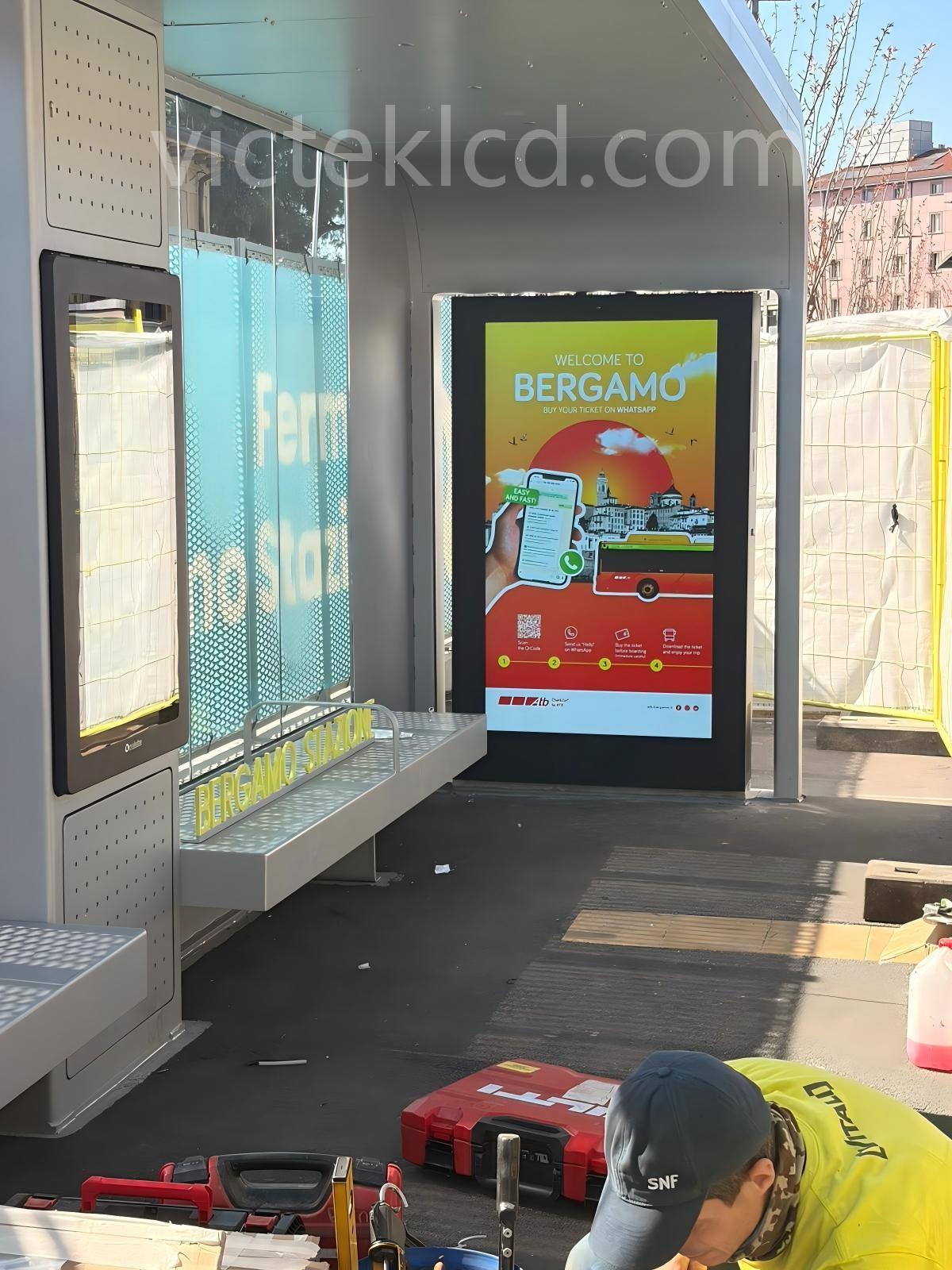
VSD’s 75-inch double-sided outdoor display has been successfully installed as part of the e-BRT smart bus project in Bergamo, Italy
3D hologram explanation
21.5 inch WIFI backpack billboard LCD advertising smart mobile backpack billboard
43inch outdoor rechargeable digital signage
What are the types of digital signage advertising machines? What are the application areas?
Outdoor wall-mounted digital information kiosk signs
Double-sided ultra-thin advertising machine
3D holographic display cabinet
请双击输入内容...
-
092026-05

-
092026-05
-
102026-05
-
302022-10
-
302022-10


请双击输入内容...
VIC SMART DISPLAY TECHNOLOGY(SHENZHEN) CO., LTD
CEO:Vic.Weng
 Email: vic.weng@longithai.com
WeChat/whatsapp/Tel: +8617819680824
factory address: 3/F, Building 1, Lebao Industrial Park, Fengxin Road, Guangming New District, Shenzhen, China
VIC SMART DISPLAY TECHNOLOGY(SHENZHEN) CO., LTD
A M: Sarah Huang
WeChat/whatsapp/Tel: +8617819680824
E-mail:sarah@longithai.com
factory address: 3/F, Building 1, Lebao Industrial Park, Fengxin Road, Guangming New District, Shenzhen, China




